Atmane Tazaghart
Atmane Tazaghart

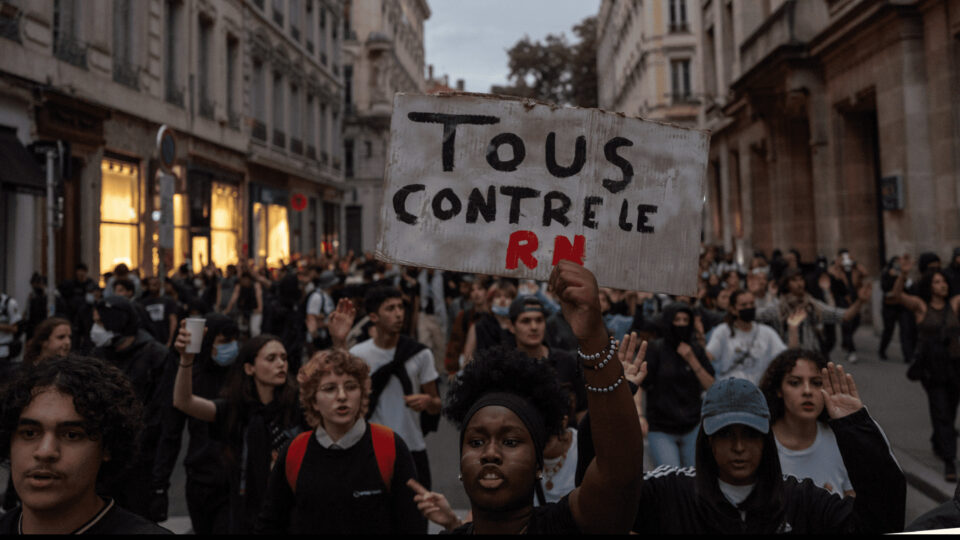
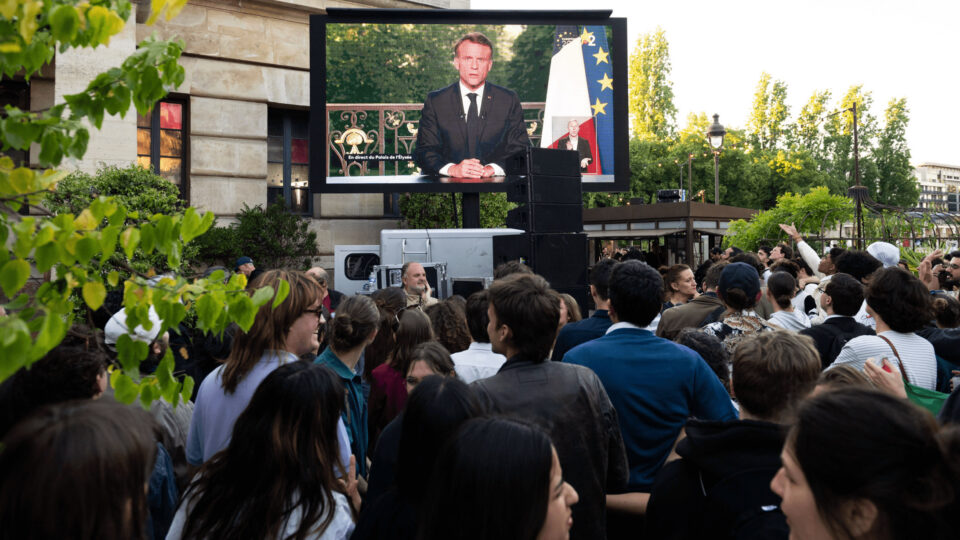
Face à la montée des extrêmes, plaidoyer pour un ‘‘tri sélectif républicain’’

Face au risque d’une victoire électorale qui offrirait la majorité parlementaire à l’extrême droite, le salut ne peut venir que d’une mobilisation républicaine ralliant tous les démocrates, car aucune formation politique ne peut résister, seule, à la poussée du Rassemblement national. Or, de nombreux clivages entravent le ‘‘cordons sanitaire’’ républicain. Pour les dépasser, il conviendrait de substituer au bon vieux ‘‘Front républicain’’, dirigé exclusivement contre l’extrême droite, un ‘‘tri sélectif républicain’’ destiné à isoler et bloquer tous ceux que les outrances et les dérives placent hors de l’arc républicain, de quelque bord politique qu’ils se revendiquent.
Martine Gozlan
Martine Gozlan

Facing the rising perils

The world of yesterday described by Stefan Zweig in his Brazilian exile in 1943 has never been so close to us. His lament as a European, contemporaneous with the swallowing up of everything he loved, continues to haunt us as a new Europe and a new France emerge from the ballot boxes on 9 June, and then, in our country, from those on 30 June and 7 July. The crisis campaign preceding the European elections was marked by the disappearance of the key principles on which our civilisation is founded: courteous confrontation, rationality versus delusion, the search for meaning versus the senseless and the unthought-of.
Emmanuel Razavi
Emmanuel Razavi

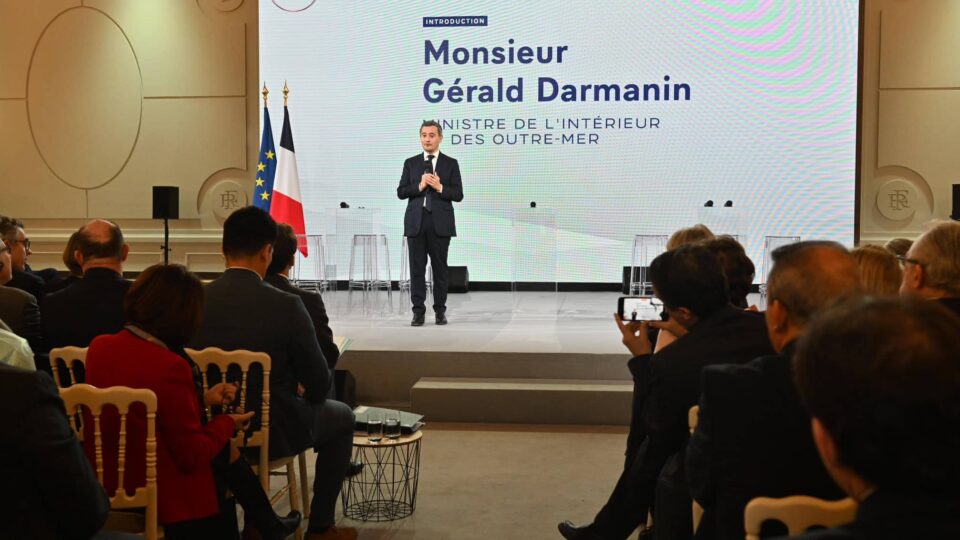
Gérald Darmanin VS. Muslim Brotherhood: no room for error!

Have our leaders been so naive over the last 30 years as to take Islamists for fervent republicans, or have they simply played a dangerous game of deadly electoralism, believing they were seducing France's Muslims by agreeing to respond to the communitarian demands of thugs sporting trimmed beards and ties? Yet how many journalists, researchers and politicians have warned, sometimes at the risk of their lives, of the threat posed by Islamism, and more specifically by the Muslim Brotherhood in Europe? How many martyrs of the Republic, from the Charlie Hebdo attack to the attack on Samuel Patty, did it take to understand the civilisational danger posed by these madmen of Allah?
Nadia Geerts
Nadia Geerts
D.R

The Free University of Brussels sick from a lack of free examination!

Since 6 May 2024, activists have been occupying a building at the Université Libre de Bruxelles. In their press release, they shamefully claim to have taken this decision “after more than 7 months of genocide and 76 years of an uninterrupted Nakba”, without a word, of course, for the pogrom of 7 October. It took just two days for the co-president of the Union des Étudiants Juifs de Belgique (UEJB), Gad Deshayes, to be hit in the face and stomach by an activist who then tried to strangle him, and for two students who had the nerve to pass by with an Israeli flag to be attacked to the sound of “Zionists, fascists, you're the terrorists!”
Martine Gozlan
Martine Gozlan

Salman Rushdie, his words and their missiles

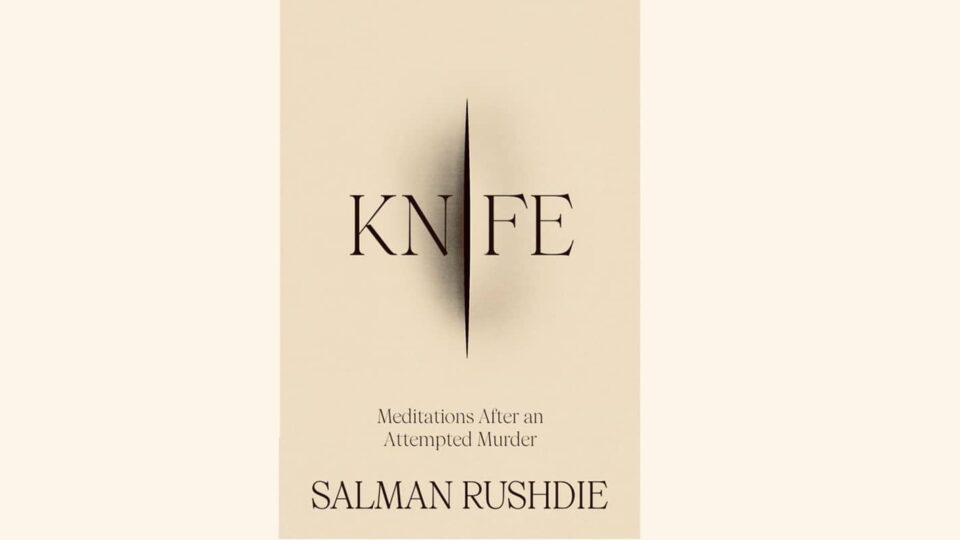
By one of those coincidences of which history has a secret, the publication of Salman Rushdie's account (“The Knife”, Gallimard, 2024) of the attack on him on 12 August 2022 coincides with the unprecedented attack launched against Israel on 14 April by the Islamic Republic of Iran. On the one hand, the surviving writer recounts his near-death experience of "the man in black, black clothes, black mask over his face, who came, menacing and concentrated, a real missile”. On the other, 300 drones and missiles loaded with sixty tonnes of explosives raced through the Middle Eastern night towards the Jewish state.
Roland Jacquard
Roland Jacquard

Pakistan’s counter-terrorism strategy: weakness and ambiguity

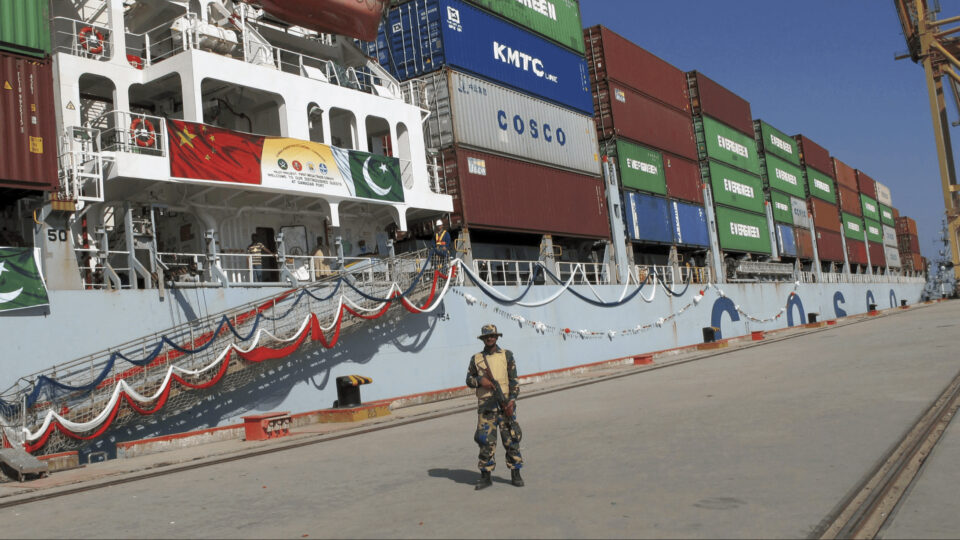
Pakistan has recently been rocked by a number of large-scale terrorist attacks. The Majeed Brigade of the Balochistan Liberation Army (BLA) is responsible for two attacks in Balochistan. The first was aimed at the Turbat naval air base, which would deploy Chinese drones, and the second at the port authority complex in the port of Gwadar, which would be operated and expanded by the Chinese. The third attack, in Khyber Pakhtunkhwa (KPK), killed five Chinese engineers working on the Dasu hydroelectric project on the Indus, part of the China-Pakistan Economic Corridor (CPEC).
Martine Gozlan
Martine Gozlan

Iran: A people against theocracy

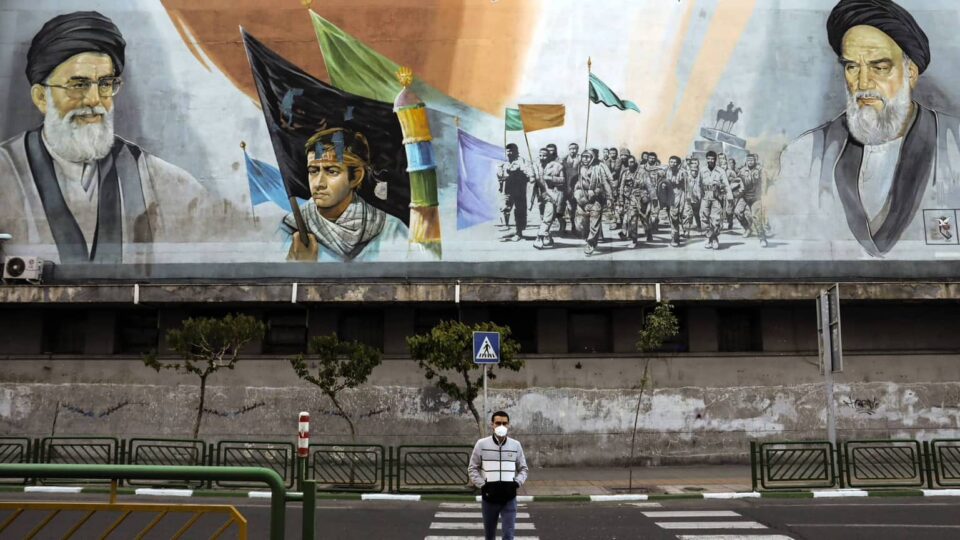
A vast country of 85 million souls lives under the boot of a bellicose dictatorship, plagued by corruption and contested by over 70% of the population. The young people of Persia, who are now demanding the separation of religion and state, must be given unstinting support in the face of a tyranny on the verge of going nuclear and dreaming of setting the world ablaze.
Emmanuel Razavi
Emmanuel Razavi

Islamism and far left, a history lesson

The alliance between the far left and the Islamists responds to a supposed ideal of convergence of struggles. However, in 1979 in Iran, this unnatural marriage turned tragic. Once in power, the Mullahs liquidated their Communist and Marxist allies. An example that the extreme left in France would do well to ponder. On 1 February 1979, as the Iranian revolution entered its final phase, Ayatollah Khomeini, who had played on the alliance between the far left and the Islamists, returned to Tehran after several years in exile. On 31 March of the same year, he proclaimed the birth of the Islamic Republic, becoming its Supreme Guide. He put his closest allies in charge of newly-created ministries, and subjected Iran to Sharia law.
Hamid Zanaz
Hamid Zanaz

Canada: The land of “unreasonable accommodation” with Islamism!

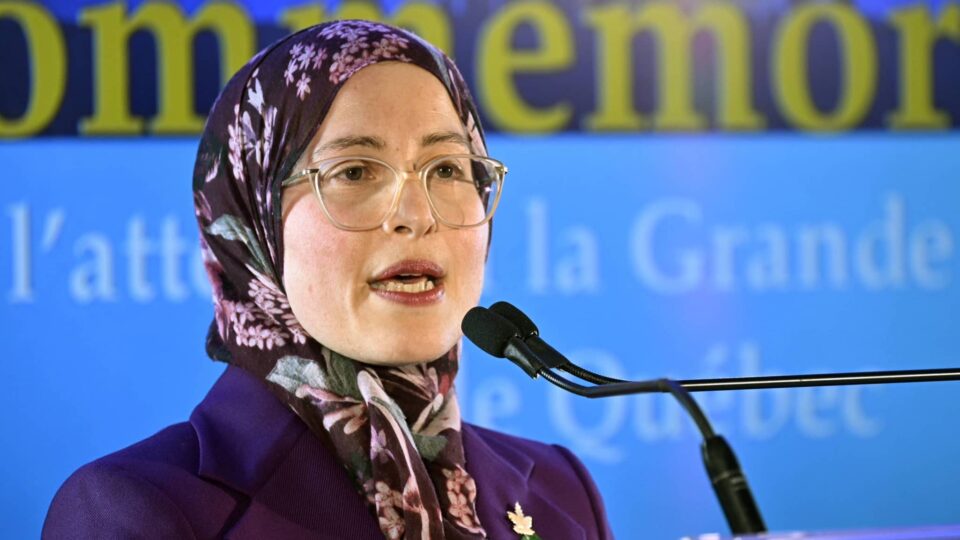
For years, Canada's democratic and secular academic and cultural communities have been voicing their dissatisfaction and concern at what they describe as “the penetration of Islamists and political Islam in general into various academic and educational institutions”. Many activists feel that freedom of expression is under serious threat, particularly in their country's universities. Wokism has been there: it's a problem that Western Europe is also experiencing.
Martine Gozlan
Martine Gozlan

Why accusing Israel of genocide is a sham

“Words have meaning”: this reminder from the Quai d'Orsay on the announcement of the first conclusions of the International Court of Justice in The Hague in the case brought by South Africa against Israel, accused of genocide against the Palestinians in Gaza. Words have a meaning and, in this case, the word “genocide”, coined in the aftermath of the Holocaust by the jurist Raphaël Lemkin, a survivor of Nazi extermination, has been distorted by the accusing country, a friend of Iran, and by the judges in The Hague. Admittedly, the Court has not yet delivered a final opinion. But it ordered the Hebrew State “to prevent any act of genocide and to prevent and punish its incitement”. Hamas immediately applauded this news, trumpeting the need to “force the occupiers to implement the Court's decisions”.